

People Don't Buy From Logos. They Buy Into People.
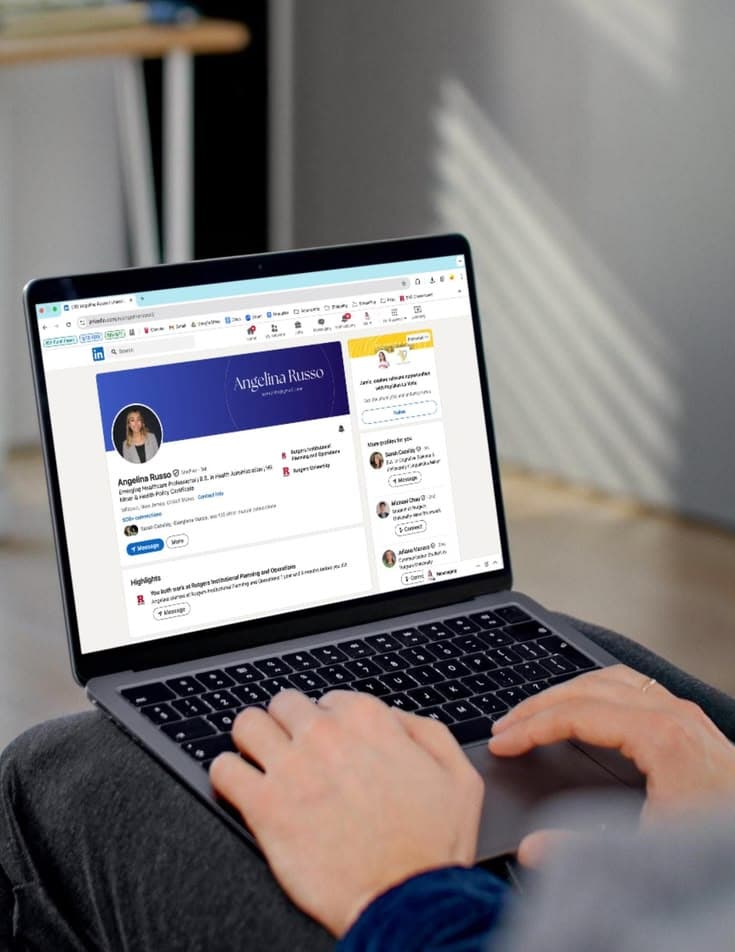
Open LinkedIn on any weekday morning. You'll find hundreds of company announcements. "We're excited to announce..." "We're proud to share..." "We're thrilled to unveil..." Most of them disappear from memory within minutes. Now think about the posts you actually remember. Perhaps it was a founder sharing the story of their first failed business. A CEO admitting they made the wrong hiring decision. An entrepreneur explaining why they rejected an investor. Or someone honestly reflecting on a lesson that changed the way they lead. Those posts stay with us. Not because they're written better. But because they're written by people. LinkedIn has quietly transformed over the last few years. It is no longer simply a platform for companies to publish updates. It has become a platform where professionals build trust through ideas, experiences and perspectives. The biggest shift isn't technological. It's psychological. People are no longer following companies first. They're following the people behind them. That is why CEO personal branding has become one of the most valuable business assets an organisation can invest in. Customers trust founders. Investors evaluate founders. Potential employees research founders. Business partners assess founders. Even before someone explores a company's website, they often visit the founder's LinkedIn profile. They want to understand the person leading the organisation. What do they believe? How do they think? What values guide the business? Those answers rarely appear in a company brochure. They emerge through consistent, thoughtful communication. At Social Up Marketing, we've witnessed this shift first-hand. As founders of a marketing agency ourselves, and through building the personal brands of numerous professionals, we've learned something remarkably consistent. People don't build trust because someone calls themselves a CEO. They build trust because the CEO consistently shares perspectives worth paying attention to. That distinction changes everything.
Why Founder-Led Content Creates More Credibility Than Corporate Messaging
Every company has a brand voice. But every founder has something far more powerful. A personal story. That story cannot be replicated. It cannot be manufactured. It cannot be copied by competitors. Founders understand the business in a way nobody else can. They know why the company was started. They remember the early struggles. They understand the difficult decisions customers never see. They have experienced the failures that shaped the organisation. That lived experience gives founder-led content a level of credibility that traditional corporate communication often struggles to achieve. When a founder explains why a product was built, customers don't hear a marketing message. They hear conviction. When a founder discusses a challenge the business overcame, employees don't simply see success. They see resilience. When a founder reflects on lessons learned through failure, the audience doesn't see weakness. They see honesty. This is exactly why LinkedIn personal branding has become so influential. The platform rewards expertise. But even more importantly, it rewards authenticity. People aren't looking for perfect leaders. They're looking for believable ones. A company can tell people why its products matter. A founder can explain why those products exist in the first place. That emotional difference often determines which brands people remember.
---
LinkedIn Is Not Instagram—And That's Its Greatest Strength
One mistake many businesses make is treating every social media platform the same. They repurpose identical content everywhere. The result rarely performs well. Because every platform serves a different purpose. Instagram celebrates personality. YouTube encourages education. LinkedIn values perspective. This distinction is incredibly important. Founders often assume LinkedIn requires polished corporate announcements. In reality, the platform rewards thoughtful reflection. The most impactful founder content isn't promotional. It is educational. Honest. Thought-provoking. A CEO doesn't need to post photographs from every meeting. Nor should LinkedIn become a platform for documenting every behind-the-scenes decision. Instead, founders should share experiences that genuinely help other professionals think differently. Leadership philosophies. Lessons learned. The company journey. Customer stories. Moments of failure. Moments of growth. Moments that changed the way they lead. These are the stories that encourage meaningful conversations. They demonstrate experience rather than authority. And experience is far more persuasive. At Social Up Marketing, we always remind founders that LinkedIn is not about proving how successful you are. It's about showing people how you think. Because while achievements attract attention, perspectives earn respect.
---
The Most Powerful Leadership Content Often Begins With Failure
Many founders hesitate before discussing failure publicly. They worry it may weaken their credibility. The opposite is usually true. Failure is one of the few experiences every entrepreneur shares. Different industries. Different markets. Different products. But the same reality. Things go wrong. Campaigns fail. Products underperform. Hiring decisions don't always work out. Strategies require adjustment. Customers reject ideas. Every successful founder carries stories that never appeared in press releases. Ironically, those stories often become the most valuable. Not because audiences enjoy watching people fail. But because they appreciate leaders who are willing to speak honestly about what failure taught them. A founder who only discusses success feels distant. A founder who explains what success cost feels human. That humanity builds trust. Customers understand businesses are run by people. Employees understand leadership involves uncertainty. Future founders learn lessons they might otherwise discover the hard way. Authenticity creates credibility. Perfection rarely does. At Social Up Marketing, we've consistently seen founder stories about difficult decisions, unexpected setbacks and meaningful lessons generate deeper engagement than posts celebrating achievements alone. Because people admire success. But they connect with honesty.
---
Trust Is Built Long Before Someone Becomes a Customer
One of the biggest misconceptions about CEO personal branding is that it exists purely for visibility. In reality, it exists to shorten the trust-building process. Imagine two companies offering similar services. One has a professionally designed website and an active company page. The other has all of that, plus a founder who consistently shares valuable insights, leadership lessons and genuine reflections on LinkedIn. Which business feels easier to trust? For many people, the answer is obvious. The founder's content removes uncertainty. Prospective clients already understand how the person thinks. Potential employees already understand the company culture. Business partners already understand the organisation's values. Trust has quietly started developing before the first conversation even takes place. That is one of the greatest strengths of LinkedIn marketing. Every thoughtful post becomes another opportunity to build credibility. Not through advertising. But through consistency. Because people don't follow CEOs simply because they lead companies. They follow CEOs because they offer perspectives worth learning from. And while a company can certainly earn followers, a founder earns something far more valuable. Trust.
What Should Founders Actually Post on LinkedIn?
One of the biggest reasons many CEOs hesitate to build a LinkedIn personal brand is surprisingly simple. They don't know what to talk about. The assumption is that every post needs to contain a groundbreaking business insight or a major company announcement. Neither is true. In fact, the founders who consistently build engaged audiences are rarely the ones making the biggest announcements. They are the ones consistently sharing meaningful experiences. People don't return to a founder's profile because every post goes viral. They return because every post teaches them something. This is where many leaders unintentionally overcomplicate LinkedIn marketing. They begin asking, "What will get the most likes?" A better question is, "What would genuinely help someone reading this?" That shift changes everything. Instead of chasing engagement, founders begin creating value. And value is what builds credibility over time. At Social Up Marketing, we've seen one principle remain true across industries. People don't follow founders because they own businesses. They follow founders because those businesses have given them experiences, lessons and perspectives worth sharing.
---
Leadership Philosophy: Let People Understand How You Think
Every founder has a different leadership style. Some lead through collaboration. Others through discipline. Some encourage experimentation. Others prioritise structure and consistency. Customers may never directly experience these philosophies. Employees, future hires, investors and business partners certainly will. That is why leadership philosophy is one of the strongest forms of founder-led content on LinkedIn. Instead of explaining what the company does, founders explain why they make certain decisions. Why do they hire the way they do? What qualities matter most in a team? How do they define success? What does good leadership mean to them? These posts rarely feel promotional. Yet they communicate something incredibly important. They reveal character. People enjoy understanding how leaders think because decisions make far more sense when the philosophy behind them is visible. The objective is not to position yourself as someone with all the answers. It is to invite people into the way you approach challenges. That openness creates familiarity. And familiarity creates trust.
---
Your Company's Journey Is More Valuable Than You Think
Every successful company has a story. Unfortunately, many founders believe nobody wants to hear it. They couldn't be more mistaken. Business journeys are filled with moments that others relate to. The first client. The first rejection. The first office. The first employee. The product that didn't work. The strategy that completely changed the business. The unexpected breakthrough. Customers don't just admire successful companies. They admire persistence. Sharing the company's journey reminds audiences that every established business was once uncertain. Every growing company once struggled. Every founder once questioned whether the business would succeed. These stories make success believable. More importantly, they make the founder approachable. At Social Up Marketing, we've found that company journey posts often create deeper conversations than polished success stories. Because people see themselves in the struggle long before they see themselves in the success.
---
Failures Teach More Than Victories Ever Can
Corporate communication has traditionally celebrated achievements. Awards. Revenue milestones. Expansion. Recognition. While these accomplishments deserve attention, they rarely become the posts people remember most. Failure does. Not because audiences enjoy watching people struggle. But because failure contains lessons. Imagine two LinkedIn posts. One announces, "We're proud to have crossed another major milestone." The other explains, "Three years ago, we launched a product that completely failed. Here's what it taught us about listening to customers." Which one would you stop to read? For most professionals, the answer is obvious. Failure creates curiosity. More importantly, it creates relatability. Every entrepreneur. Every manager. Every employee. Every student. Has experienced setbacks. When founders openly discuss those experiences, they give others permission to learn instead of pretending perfection exists. Authenticity becomes one of the strongest forms of authority. Customers trust founders who acknowledge mistakes because honesty signals confidence. Leaders who can openly discuss failure rarely appear weak. They appear experienced. That distinction is incredibly powerful.
---
Customer Stories Say More Than Marketing Ever Could
One of the most meaningful types of content founders can share is the impact their business has had on real people. Not polished testimonials. Not overly promotional case studies. Real stories. Perhaps a customer solved a problem they had struggled with for years. Perhaps a small business grew because of your service. Perhaps someone shared feedback that completely changed the way your company operates. These stories do something remarkable. They shift the conversation away from the company and towards the customer. Instead of saying, "Our product is excellent," the founder demonstrates the difference the business has made in someone's life or work. That is far more persuasive. It also reinforces something we've discussed throughout this entire blog series. The best marketing rarely begins with the brand. It begins with the customer. At Social Up Marketing, we encourage founders to celebrate customer experiences because they represent the true purpose behind every business. Products matter. Services matter. But ultimately, businesses exist because they improve someone else's journey. Those are the stories people remember.
---
Consistency Builds Recognition—Not Constant Posting
Many founders delay starting because they believe personal branding requires posting every day. It doesn't. One thoughtful post each week is often more valuable than seven rushed updates. Consistency has always mattered more than frequency. We've explored this idea in previous discussions about social media strategy, and it applies equally to CEO personal branding. Your audience should know what to expect from you. Not in terms of how often you post. But in terms of the quality of your thinking. When founders consistently share thoughtful lessons, honest reflections and valuable experiences, people begin anticipating their next post. Recognition grows gradually. Trust grows quietly. Neither happens overnight. That is why founders should never measure success only through likes or impressions. The real measure is whether people begin recognising your perspective. Because algorithms may increase visibility. But consistency builds reputation. And reputations are built one meaningful conversation at a time. People don't return to founders because they post the most. They return because every post gives them something worth taking away.
Why Founder-Led Content Is Becoming Every Company's Competitive Advantage
For years, businesses invested heavily in building corporate brands. Professional websites. Advertising campaigns. Press releases. Company pages. These remain important. But one thing has changed dramatically. People no longer connect with businesses in the same way they once did. They want to know the people behind them. Who is making the decisions? What values shape the company? How does the founder think when faced with uncertainty? What lessons have they learned while building the business? These questions cannot be answered by a logo. They can only be answered by a person. This is why CEO personal branding has evolved from being a "nice-to-have" to becoming a genuine business advantage. The founder becomes the bridge between the company and its audience. That bridge is built through trust, not promotion.
---
Your Personal Brand Should Strengthen Your Company Brand—Not Compete With It
Some founders hesitate to become visible because they worry the attention will shift away from the business. In reality, the opposite happens. A strong founder doesn't overshadow the company. They humanise it. Every meaningful LinkedIn post becomes another opportunity for people to understand what the organisation stands for. The founder's values gradually become associated with the company's values. Their leadership style influences employer branding. Their perspective influences industry perception. Their credibility strengthens the company's credibility. This relationship works only when authenticity remains at the centre. A founder should never create an online personality that feels disconnected from how they lead in real life. Eventually, customers meet the person behind the posts. Employees work with them. Clients interact with them. The experience should feel consistent. Personal branding is not about creating a character. It is about communicating the person who already exists. That consistency is what builds long-term trust.
---
The Agency Doesn't Replace the Founder's Voice—It Amplifies It
One of the biggest misconceptions surrounding LinkedIn personal branding is that hiring an agency means outsourcing authenticity. Done poorly, that is exactly what happens. The internet is filled with generic leadership posts that sound interchangeable. The language is polished. The structure is perfect. But the personality is missing. Readers notice. Thought leadership without genuine thought quickly becomes content that people scroll past. At Social Up Marketing, we approach founder branding differently. The experiences belong to the founder. The lessons belong to the founder. The failures, victories, philosophies and stories belong to the founder. Those cannot—and should not—be invented. Our role is to uncover those experiences, organise them into compelling narratives and present them in a way that resonates with the right audience. We help founders identify the stories worth telling. We refine the message. We optimise it for LinkedIn. But the voice remains unmistakably theirs. That is the difference between ghostwriting and strategic personal branding. One creates content. The other communicates character.
---
Why Founder Branding Influences Customers, Talent and Business Opportunities
Many people assume LinkedIn marketing only helps generate leads. In reality, its impact extends much further. Potential clients evaluate the founder before reaching out. Future employees decide whether they want to work under that leadership. Investors assess the founder's thinking, communication style and long-term vision. Journalists discover industry experts to quote. Podcast hosts identify guests. Conference organisers look for speakers. Partnership opportunities emerge. None of these outcomes happen because someone posted a sales pitch. They happen because the founder consistently demonstrated expertise, honesty and perspective. A well-built personal brand quietly opens doors long before anyone actively begins searching for opportunities. That is why founder branding should never be viewed only as a marketing activity. It is a reputation-building activity. And reputation is one of the few business assets that continues creating value even when you're not actively selling.
---
Thought Leadership Is Earned Through Experience, Not Titles
One mistake many leaders make is believing that becoming a CEO automatically makes them a thought leader. It doesn't. A title may attract someone's attention once. Your ideas determine whether they return. People don't follow founders because "CEO" appears beneath their name. They follow founders who consistently offer clarity, perspective and wisdom that helps them think differently. Thought leadership is built through generosity. Sharing lessons. Explaining mistakes. Offering practical insights. Reflecting honestly on the journey. The strongest founder content rarely tries to prove intelligence. Instead, it helps someone else become a little wiser. That mindset changes everything. When the goal shifts from impressing people to helping people, engagement becomes a by-product rather than the objective. And ironically, those are often the posts that perform best.
The Founder Is Often the Brand's Most Trusted Marketing Asset
Every business invests in visibility. Advertisements. Campaigns. Events. Content. All of these contribute to growth. But one asset remains impossible for competitors to copy. The founder. No competitor has lived your journey. Made your decisions. Learned your lessons. Built your company under your circumstances. That perspective is unique. And uniqueness is the foundation of great personal branding. At Social Up Marketing, we believe founder-led content is not about becoming an influencer. It is about becoming a trusted voice. When founders consistently communicate with honesty, humility and clarity, they stop being viewed simply as business owners. They become educators. Mentors. Industry contributors. People whose opinions carry weight. That trust eventually reflects back onto the business itself. Because while companies can earn attention through marketing, founders earn credibility through consistency.
---
Your Reputation Begins Before Your First Conversation
Long before a customer books a meeting… Before a candidate submits an application...Before an investor replies to an email...People are forming opinions. They search your LinkedIn profile. They read your posts. They observe how you communicate. Whether you celebrate success with humility. Whether you acknowledge failure with honesty. Whether you contribute ideas or simply promote yourself. Every post becomes part of your professional reputation. That is why CEO personal branding is not about posting more. It is about communicating with intention. At Social Up Marketing, we believe every founder already has valuable stories. Years of difficult decisions. Lessons learned through failure. Moments of uncertainty. Customer experiences. Leadership philosophies. The challenge isn't finding content. The challenge is recognising that those experiences are exactly what people want to learn from. Because in today's professional world, businesses may open the conversation. But it is often the founder who earns the trust that keeps it going. And in the end, people rarely remember the company that spoke the loudest. They remember the leader whose words genuinely meant something.