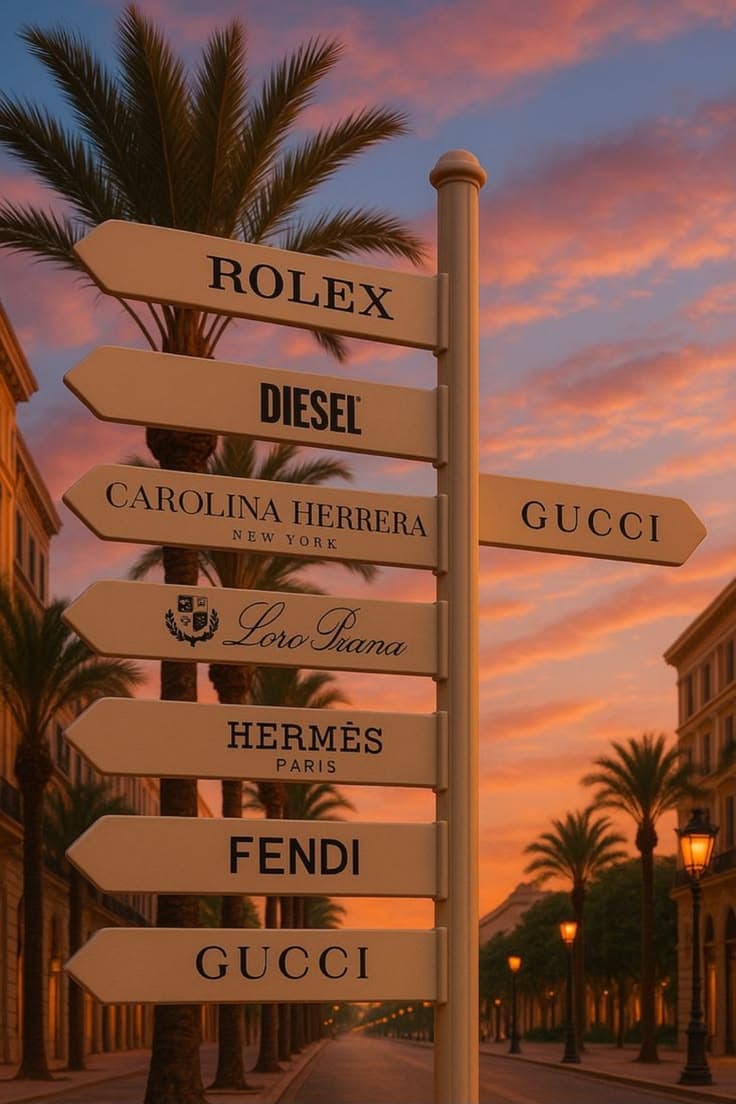


Luxury Was Never About Being Everywhere. So Why Should Social Media Be?
Luxury has always played by a different set of rules. While mass-market brands fight to maximise reach, luxury brands have historically built value through desirability, distinction, craftsmanship, heritage, scarcity and status. The objective was never to make everyone want the product. It was to make the right person want it badly enough. Social media complicates that equation. Instagram, TikTok, YouTube and other digital platforms reward visibility, frequency, conversation and participation. Algorithms favour content that attracts attention quickly. Audiences expect brands to respond, react, entertain and remain culturally relevant. Meanwhile, the very idea of luxury depends on selectivity. So what happens when a brand built on exclusivity enters a medium designed for mass participation? It has two choices: retreat from social media and risk becoming culturally invisible, or chase engagement so aggressively that the brand begins to look like everyone else. Neither is a particularly intelligent luxury social media strategy. The real opportunity lies between the two. Luxury brands can use social media to create conversations, build communities, encourage discovery and generate meaningful engagement without making the brand feel ordinary. In fact, recent research suggests that social media engagement and exclusivity are not inherently incompatible. Social-media word of mouth can strengthen luxury brand equity, while carefully designed digital experiences can reinforce the social and symbolic value consumers associate with luxury. The question, then, is no longer whether luxury brands should engage on social media. It is how they can become more engaging without becoming less desirable.
What Makes Luxury Social Media Marketing Different?
A luxury brand is rarely selling a product alone. A handbag represents more than leather, hardware and construction. A watch represents more than its mechanism. Couture represents more than fabric. Luxury hospitality represents more than a room, restaurant or destination. The consumer is buying into a world. That world can represent craftsmanship, heritage, identity, status, taste, exclusivity, experience and aspiration. This is why luxury brand marketing cannot simply borrow a mass-market content strategy and make the visuals more expensive. For an everyday consumer brand, accessibility can increase conversion. For a luxury brand, unrestricted accessibility can sometimes weaken the very perception that supports its premium positioning. The distinction is subtle but important. A luxury brand should be accessible enough to discover, but selective enough to remain desirable. Social media therefore should not necessarily provide unrestricted access to everything the brand does. Instead, it should give audiences carefully selected windows into the brand universe: the craftsmanship behind a product, the thinking behind a collection, the atmosphere surrounding an event, the heritage behind a design or the people responsible for creating it. That is the difference between displaying a product and constructing luxury brand desirability. And it is why the strongest luxury social media strategies treat content as an extension of brand identity rather than an endless publishing exercise.
Does Engagement Actually Matter for Luxury Brands?
Absolutely. But the definition of valuable engagement needs to change. A luxury brand can generate millions of impressions and still fail to strengthen its positioning. It can receive thousands of likes from people who will never purchase, collaborate with irrelevant creators simply because they have large audiences, or produce viral content that attracts attention but has nothing to do with the brand. That is not necessarily marketing success. Luxury social media marketing needs to distinguish between attention and meaningful attention. The more useful questions are: Who is engaging? Is the audience relevant to the brand? Are people discovering the brand for the first time? Are they visiting the profile? Are they saving and sharing the content? Are conversations becoming more meaningful? Are qualified customers making enquiries? Is the content increasing familiarity and desirability? Is the audience developing stronger associations with the brand? These are far more valuable questions than simply asking how many likes a post generated. Research into luxury brands has consistently connected social media activity with brand equity and consumer behaviour, while newer research specifically finds that social-media word of mouth can strengthen luxury brand equity rather than automatically undermining exclusivity. For a luxury brand, 50,000 highly relevant people can therefore be more strategically valuable than 5 million random viewers. Luxury does not need everyone to pay attention. It needs the right people to remember, desire and eventually choose the brand.
Is Chasing Every Social Media Trend Hurting Luxury Brands?
This is where many otherwise sophisticated brands make an expensive mistake. A trend appears. Everyone joins it. Another trend appears. Everyone joins that too. Eventually, the brand that once had a distinctive visual and verbal identity starts producing content that could have come from almost any account on the platform. The content may perform. It may even generate impressive engagement. But something more valuable has been lost: distinctiveness. Luxury depends heavily on distinction. If a potential customer sees a Reel and immediately thinks, “I've seen twenty other brands do this,” the content has failed to communicate one of the most important characteristics of luxury: that this brand is different. The problem is not trends themselves. The problem is trend imitation. A sophisticated luxury social media strategy asks a different question: What makes this trend culturally relevant, and can we interpret that relevance through our own brand language? That might mean changing the visual direction, pacing, storytelling, styling, copy, sound or execution completely. Sometimes the best response to a trend is participation. Sometimes it is adaptation. And occasionally, the most strategic decision is to ignore it. Relevance is not imitation. Luxury brands should not chase relevance at the expense of recognition.
What Does Exclusivity Actually Mean on Social Media?
Exclusivity does not mean silence. It does not mean refusing to reply to customers. It does not mean posting once every three months. And it certainly does not mean behaving as though audiences are fortunate simply to see the brand's Instagram account. Exclusivity is better understood as controlled access. What does the audience see? What remains behind the curtain? What information is revealed? What is deliberately left unexplained? How frequently does the brand communicate? Which creators receive access? Which experiences become public? Which moments are reserved for customers? These decisions collectively shape perception. A luxury brand can show the craftsmanship behind a product without documenting every stage of production. It can introduce a designer without turning that designer into a full-time influencer. It can show an exclusive event without making the experience feel ordinary. The objective is to create intimacy without eliminating mystery. That is why effective luxury content marketing often gives audiences a glimpse rather than the entire picture. The strongest response is not: “I've seen everything this brand has to offer.” It is: “I want to see more.”
How Can Luxury Brands Create Engagement Without Losing Exclusivity?
The answer begins with a simple principle: Give people something worth engaging with. People rarely engage meaningfully with products simply because a brand posts them frequently. They engage with stories, ideas, experiences, identities and information that mean something to them. This makes storytelling one of the most powerful tools in luxury digital marketing. A fashion brand can explain the inspiration behind a collection. A jewellery brand can explore the craftsmanship behind a piece. A hospitality brand can show the details that make an experience distinctive. A watchmaker can explain the engineering and history behind a particular model. A luxury beauty brand can explore the formulation, sourcing and philosophy behind a product. The product remains central, but it becomes part of a larger narrative. That is critical because luxury consumers are not simply purchasing functionality. They are purchasing symbolic and emotional value. Social media gives brands the opportunity to communicate that value repeatedly and visually. The trick is not to reveal everything. Reveal enough to create fascination.
Why Storytelling Should Come Before Constant Product Promotion
Imagine a luxury fashion account posting: “New collection. Shop now.” Then another product. Then another product. Then another. The feed technically communicates what the company sells, but it does little to communicate why the products deserve attention. Now change the approach. Begin with the inspiration. Then the designer's perspective. Then the material. Then the craftsmanship. Then the silhouette. Then the details that are easy to miss. Then the people involved in creating the collection. Finally, introduce the garments. The product now feels like the conclusion of a story rather than an advertisement interrupting someone's feed. That is the power of luxury storytelling. The audience is no longer simply looking at a dress. They are being introduced to the world that produced the dress. This distinction matters because luxury is often built through accumulated associations. Research on luxury social media has found that engagement can influence brand image and loyalty, making the quality of the relationship created through content more important than superficial interaction alone. The product is important. But the meaning surrounding the product is often what makes it luxurious.
Why Does Visual Quality Matter Even More for Luxury Brands?
When a brand claims premium positioning, every visible touchpoint becomes evidence supporting—or contradicting—that claim. Photography matters. Lighting matters. Casting matters. Styling matters. Typography matters. Editing matters. Sound matters. Framing matters. Colour matters. Even the pacing of a Reel matters. A luxury product can be exceptional, but if the content presenting it looks rushed, inconsistent or generic, the audience may subconsciously perceive a disconnect. They may never articulate the problem. They may simply think: “This doesn't feel premium.” That is why visual quality in luxury social media marketing is not decoration. It is part of the brand strategy. The content itself must communicate the level of care that the product promises. If a ₹5,000 product and a ₹5,00,000 product are presented through exactly the same visual language, the latter has a problem that a higher price alone cannot solve. Premium positioning must be experienced before it is purchased.
Does Luxury Content Have to Be Serious All the Time?
No. Luxury does not mean lifeless. A luxury brand can be playful, culturally aware, conversational and occasionally humorous. It can experiment with formats. It can respond to culture. It can use creators. It can participate in conversations. The question is whether the execution still feels authentically connected to the brand. This is the difference between personality and desperation. A playful post that feels unmistakably like the brand can make the brand more human. A desperate attempt to copy whatever is currently viral can make the brand look confused. Luxury therefore does not need to eliminate personality. It needs controlled personality. The brand should evolve its expression without abandoning the identity that made people want it in the first place.
Can Luxury Brands Use UGC Without Losing Their Premium Image?
Yes—but creator selection becomes critical. UGC for luxury brands is not inherently incompatible with exclusivity. The problem occurs when UGC is treated as a cheap content substitute rather than a strategic brand asset. Poorly matched UGC can make an expensive product feel ordinary. Strategically selected creator content can do the opposite. The question should not simply be: “How many followers does this creator have?” It should be: “Does this creator strengthen the perception we want our target customer to have of the brand?” That requires evaluating the creator's audience, communication style, aesthetic, lifestyle, credibility, content quality, editing approach and relationship with their community. The creator does not need to look like a conventional advertisement. But they need to make sense within the brand universe. This is becoming increasingly important as creators move beyond simple promotional roles. In 2026, luxury and fashion marketers are increasingly treating creators as strategic collaborators who understand platform culture and audience behaviour, rather than merely as distribution channels. For luxury brands, this shift is valuable. The right creator can make a brand feel culturally relevant without making it feel mass-market. The wrong creator can dilute years of positioning in a single campaign.
Is Influencer Marketing Different From UGC for Luxury Brands?
Very much so. Influencer marketing and UGC marketing can overlap, but they serve different strategic purposes. Influencer marketing generally leverages a creator's established audience, credibility and cultural influence. UGC can focus more heavily on the content itself and how naturally the product fits into a consumer's experience. Neither is automatically superior. The strategy should determine the format. If the objective is awareness among a highly specific audience, an influencer with the right community may be valuable. If the objective is demonstrating how a product is experienced, strategically produced UGC may be more appropriate. For certain campaigns, combining both approaches can create a stronger content ecosystem. The important principle is: The format should follow the objective—not the other way around.
How Should Luxury Brands Use Influencer Marketing Without Diluting Exclusivity?
Selectivity is everything. If a luxury product appears in front of every possible creator, in the same format, with the same talking points, it begins to resemble a promotional commodity. That weakens scarcity. The creator becomes part of the brand's perception, whether the brand intends it or not. This means luxury brands should evaluate creator partnerships based on more than reach. Does the creator's audience overlap with the ideal customer? Does their aesthetic complement the brand? Does their communication style feel credible? Do they have cultural relevance in the market? Can they tell the story without reducing it to a sales pitch? Can they create aspiration without making the product feel inaccessible? These questions form the foundation of strategic influencer marketing. The goal is not to find the biggest creator. It is to find the most valuable fit.
What Should Luxury Brands Actually Post?
There is no universal luxury content calendar because the right content depends on the brand's category, audience, positioning and objectives. However, several luxury content pillars can consistently create depth. Craftsmanship is one. Show the details customers rarely see. Materials, techniques, precision, people and processes can transform an ordinary product post into a story about expertise. Heritage is another. Where did the brand begin? What shaped its identity? Which designs, traditions or philosophies have survived? Heritage gives the audience a reason to believe that the brand is more than a commercial entity. Aspirational lifestyle is equally important. Luxury is contextual. The surroundings, experience, styling, setting and people associated with the product influence how the product itself is perceived. Behind-the-scenes storytelling can also create intimacy. But the objective is not to expose everything. It is to provide curated access. Founder-led or expert-led content can add authority as well. A founder, designer, craftsman or specialist can explain the thinking behind a product in a way conventional advertising cannot. And then there is product storytelling. Instead of simply saying, “Here is our new bag,” explain why the bag exists, what inspired it, what makes it distinctive and which details justify its value. The product becomes easier to desire because the audience understands its meaning.
Should Luxury Brands Reply to Comments?
Yes. Exclusivity does not require arrogance. A luxury brand can be selective while remaining warm, responsive and sophisticated. Responding to genuine questions, acknowledging customers and participating in relevant conversations can strengthen community and trust. But the tone has to remain consistent with the brand. A luxury maison does not necessarily need to reply to every comment with an exaggerated string of emojis and slang unless that communication style is genuinely part of its identity. The response should feel intentional. Warm where appropriate. Knowledgeable where necessary. Refined where expected. Personal when valuable. Engagement should reinforce brand positioning, not contradict it.
Should Luxury Brands Use “Shop Now” CTAs?
They can—but restraint matters. A direct CTA is not inherently damaging to a luxury brand. The issue is using aggressive sales language at every stage of the customer journey. Luxury often benefits from building desire before asking for action. Instead of repeatedly saying “Shop Now,” a brand can invite the audience to: Discover the collection. Explore the craftsmanship. View the edit. Experience the campaign. Book a private consultation. The appropriate CTA depends on the business model. A luxury jewellery brand may prioritise consultations. A premium fashion label may prioritise collection discovery. A luxury hotel may prioritise enquiries or bookings. The principle remains the same: Invite rather than beg.
What Should Luxury Brands Measure on Social Media?
A luxury brand should not allow vanity metrics to dictate the entire social media strategy. Reach still matters. Engagement still matters. Follower growth can matter. But the quality of those numbers matters more. Brands should evaluate audience relevance, profile visits, saves, shares, meaningful conversations, brand searches, qualified enquiries, consultations, repeat engagement and broader indicators of brand perception. A post with 20,000 highly relevant views can potentially be more strategically valuable than one with 2 million views from an irrelevant audience. This is particularly important for luxury because the addressable audience may be intentionally narrow. Mass reach is not automatically the objective. Qualified attention is. Recent research reinforces this point from another angle: social media can contribute to luxury brand equity through electronic word of mouth and the social value consumers derive from luxury consumption. The platform itself does not necessarily destroy exclusivity; how the brand manages its presence matters.
What Happens When Luxury Brands Chase Mass Engagement?
They risk confusing popularity with value. First, the brand creates content because it generates comments. Then it chooses creators because they have large followings. Then it begins copying trends. Then promotional content becomes more frequent. Then the brand becomes increasingly accessible. Eventually, the audience may still be engaging—but the reason they once desired the brand becomes less distinctive. This is the paradox of luxury social media marketing. A brand can increase engagement while decreasing perceived value. That is why the smarter question is not: “How can we get more people to interact with us?” It is: “How can we make the right people more interested in us?” That shift—from quantity of attention to quality of attention—is fundamental.
How Can SocialUp Marketing Build a Luxury Social Media Strategy?
Beautiful content is not the same thing as a strong strategy. A luxury brand can have exceptional photography, expensive production and a visually flawless Instagram grid and still have no clear answer to what its social presence is supposed to accomplish. At that point, social media becomes an expensive Pinterest board. It looks good. But what is it doing? Is it building awareness? Creating desire? Strengthening positioning? Establishing expertise? Building community? Generating qualified enquiries? Moving potential customers closer to a purchase? At SocialUp Marketing, the strategy should begin with the brand—not the trend. That means understanding the brand's identity, audience, positioning, product, objectives and desired perception before deciding what content needs to be created. From there, the content strategy can determine which platforms deserve attention, which formats make sense, which creators fit the brand, which cultural trends are worth adapting and which stories deserve to be told. The objective is not to make every luxury brand behave the same way. It is to build a social media marketing strategy that makes the individual brand more recognisable, more relevant and more desirable. Because the best luxury content does not merely look premium. It communicates why the brand deserves to be perceived as premium.
Should Luxury Brands Be on Every Social Media Platform?
No. Being everywhere is not the same as being strategically relevant. If the target audience spends meaningful time on Instagram, that platform deserves exceptional execution. If professional audiences are important, LinkedIn may have a strategic role. If visual discovery and short-form video are central to the customer journey, platforms built around those behaviours may deserve investment. The answer is not: “Every luxury brand needs to be everywhere.” It is: “Every luxury brand needs to understand where its audience is and what that audience expects there.” Platform selection should therefore be based on audience behaviour, business objectives and brand fit. Being everywhere badly is not omnichannel strategy. It is resource dilution.
What Happens When the Algorithm Changes?
Luxury brands should adapt their content strategy—not their identity. Algorithms change. Formats change. Audience behaviour changes. New platforms appear. Old formats disappear. A luxury brand should not reinvent its identity every time a platform introduces a new feature. Instead, the expression of the brand should remain flexible while the underlying identity stays stable. This is one of the most important principles of modern social media management for luxury brands: Your brand identity should be consistent. Your content strategy should be adaptable. That distinction allows a brand to remain culturally relevant without becoming culturally indistinguishable.
The Luxury Social Media Formula Is Not “More”
More posts. More creators. More trends. More followers. More comments.
More reach. More is not necessarily better. Luxury itself is built around selection. Select the right audience. Select the right platform. Select the right creator. Select the right trend. Select the right story. Select the right moment. Select what deserves to be shown. And deliberately leave the rest out. Curation is not a limitation of luxury. Curation is part of luxury. That principle should extend directly into the social strategy.
So, How Can Luxury Brands Balance Exclusivity With Engagement?
The answer is not to choose between exclusivity and engagement. It is to make engagement serve exclusivity. Tell stories that give people a reason to care. Create visuals that justify premium positioning. Give audiences access without eliminating mystery. Use UGC marketing when the creator and format strengthen the brand. Use influencer marketing when the audience fit and cultural influence justify it. Participate in trends when they can be interpreted through the brand rather than copied from competitors. Respond to customers without abandoning the brand's tone. Measure the quality of attention instead of celebrating attention for its own sake. Most importantly, stop confusing visibility with desirability. A luxury brand does not need to win the entire internet. It needs to occupy a valuable position in the mind of the person who matters.
The Brands That Master Luxury Social Media Will Not Be the Loudest. They Will Be the Most Desired.
Social media has trained businesses to believe that growth means more visibility, more content and more engagement. Luxury gives brands a reason to question that formula. Because luxury was never built on availability alone. It was built on desire. The anticipation before ownership. The story behind the object. The craftsmanship that cannot be replicated easily. The heritage that gives a product meaning. The experience surrounding the purchase. The status attached to belonging. Social media should not flatten those qualities. It should amplify them. The smartest luxury brands on social media are therefore not asking: “How do we get everyone to engage with us?” They are asking a much more valuable question: “How do we make the right people want to know more?” That is where exclusivity and engagement stop being opposites. It is where luxury social media marketing becomes strategic rather than merely aesthetic. It is where content stops chasing attention and starts building desire. And ultimately, that is the standard luxury brands should hold themselves to: Be visible without becoming ordinary. Be engaging without becoming desperate. Be relevant without becoming indistinguishable. Because luxury does not need to belong to everyone. It needs to become unforgettable to the right person.