

The Founder Knows a Lot. That Might Be the Problem.
Some founders have the opposite problem from what most personal branding advice assumes. They don't have nothing to say. They have too much. They have spent years building businesses, working with customers, hiring people, making difficult decisions, entering new markets, solving problems, making mistakes and developing opinions along the way. Ask them what they know and they'll give you ten answers. Business. Leadership. Marketing. Hiring. Operations. Industry trends. Customer behaviour. Product. Growth. Lessons from failure. Lessons from success. The problem isn't a lack of expertise. It's that none of it seems to fit neatly under one niche. And that usually leads to familiar advice: “You need to niche down.” So the founder picks one topic. Suddenly, years of experience are reduced to a content category. Every post has to fit. Every opinion has to connect back to the same subject. Every content idea gets filtered through the question of whether it belongs to the niche. Eventually, the founder can start sounding less like an experienced businessperson and more like someone who has been assigned a content category. That isn't always the answer. Because a founder's personal brand doesn't necessarily need a narrow topic. It needs a recognisable reason for people to keep listening.
A Niche and a Lens Are Not the Same Thing
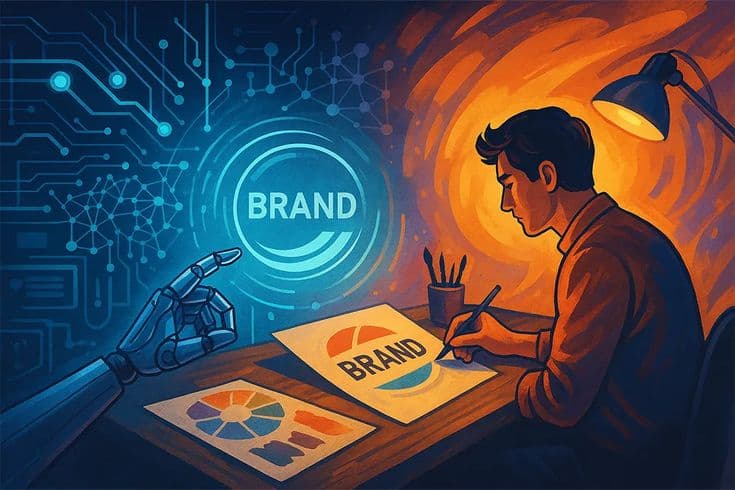
This distinction can completely change how you approach founder personal branding. A niche answers: “What do you talk about?” A lens answers: “How do you see the world?” A founder might not have one narrow subject. But they may have a very specific way of approaching problems. Perhaps they consistently challenge conventional business advice. Perhaps they care deeply about building sustainable companies rather than chasing fast growth. Perhaps they have unusual experience working with premium customers. Perhaps they approach leadership through systems rather than motivation. Perhaps they have spent twenty years solving problems that most people in their industry only encounter at scale. That is a lens. And for many founders, a lens is more useful than forcing their experience into a tiny content category. Consider the difference. “I'm a founder who talks about business” is too broad. “I'm a founder who talks about building companies without blindly following startup culture” is already more distinctive. The subject is still broad. The perspective isn't. That perspective gives the audience something to remember.
Your Founder Is Not a Content Category
This is where personal branding strategies often become too simplistic. A founder says: “I don't know what my niche is.” The content team responds: “Let's pick one.” Now the founder is suddenly expected to become: The marketing founder. The leadership founder. The startup founder. The productivity founder. The finance founder. The industry expert. But founders don't necessarily experience their expertise in neat categories. Their knowledge is interconnected because it was built through experience. A decision about hiring might have taught them something about culture. A customer problem might have changed how they think about product. A failed launch might have changed their approach to marketing. A difficult business decision might have shaped their leadership philosophy. These aren't separate knowledge silos. They're connected experiences. The job of a personal branding strategy isn't to destroy those connections. It is to find the pattern inside them.
Start With What the Founder Has Actually Earned the Right to Talk About
Before deciding on a niche, look backwards. Not at what's trending. At the founder's actual experience. What have they spent years doing? What problems have they solved repeatedly? What mistakes have they made more than once? What decisions have they made that outsiders don't understand? What do customers regularly ask them? What do employees come to them for? What industry assumptions have they personally seen fail? What experiences changed the way they think? What can they explain because they've actually lived it? These questions matter because expertise isn't simply a list of qualifications. Expertise is accumulated evidence. A founder who has spent fifteen years building companies has a different kind of authority from someone who has read fifteen books about entrepreneurship. The personal brand should make that experience visible. It shouldn't manufacture an artificial niche around it.
Look for the Problems, Not Just the Subjects
A founder might say: “I know about marketing, hiring, leadership, operations and growth.” That's still too broad. Instead, ask: What problems do I repeatedly help people understand? Maybe the founder keeps talking about why companies hire too quickly. Maybe they constantly see businesses confuse growth with progress. Maybe they have strong opinions about customer experience. Maybe they repeatedly help teams simplify complicated decisions. Maybe they have built a company in a difficult industry and understand problems outsiders consistently underestimate. Now the pattern becomes clearer. The niche may not be a subject. It may be a problem space. Problem spaces are often more useful for founders because they naturally create room for multiple kinds of content. You aren't asking: “What should I post about leadership this week?” You're asking: “What do I understand about the problems leaders repeatedly face?” That gives the founder far more room to think while keeping the content connected.
Your Niche Can Be the Intersection of Several Things
Sometimes the founder genuinely has several areas of expertise. That's fine. Instead of choosing one and deleting the others, look for their intersection. For example, a founder may know technology, hiring and operations. Separately, those are broad subjects. But their actual expertise might be: Building high-performing teams inside technology companies. Another founder may know fashion, e-commerce and customer psychology. Their territory could become: How fashion brands build customer loyalty in a digital-first market. Another might know manufacturing, sustainability and business growth. Their territory could become: How traditional businesses can modernise without losing operational discipline. The founder still has multiple areas of expertise. But the audience now has a way to understand why those subjects belong together. You don't always need to remove expertise. Sometimes you need to connect it. That is often the difference between a broad personal brand and a scattered one.
Don't Confuse Being Broad With Being Random
A founder can talk about several subjects and still have a coherent personal brand. The problem isn't breadth. The problem is randomness without a connecting idea. Imagine a founder posting: Monday: advice about hiring. Wednesday: a completely unrelated opinion. Friday: a restaurant recommendation. Sunday: five productivity tips. Next week: cryptocurrency. The founder may genuinely have opinions about all of these. But the audience has no idea why they should follow this particular person. There is no recognisable relationship between the content. Now imagine another founder discussing: How they hire, Why they structure teams differently. What customer feedback taught them about leadership. Why they reject certain growth strategies. What building the company taught them about decision-making. The subjects vary. But the underlying perspective is consistent. That a founder can be broad without feeling scattered. The audience doesn't need every post to belong to the same category. It needs to understand why all those posts are coming from the same person.
Build Around a Core Question
One of the strongest ways to solve the “no niche” problem is to find a question the founder keeps returning to. Not a slogan. A genuine question. For example: How do you build a company that can grow without becoming chaotic? That question can lead to content about hiring, systems, leadership, culture, technology, customer experience, operations and growth. Another founder might repeatedly explore: What actually makes customers stay? That can lead into product decisions, service, marketing, retention, customer experience and business strategy. Another might ask: How do you build a premium business without making customers feel like they're paying for the branding? Now pricing, product quality, customer experience, marketing and positioning all become relevant. A core question gives a broad founder's expertise a centre of gravity. It creates continuity without demanding repetition.
Your Personal Brand Needs a Centre of Gravity
This may be a better metaphor for founder personal branding than “niche.” A niche can feel like a box. A centre of gravity is something everything can orbit around. Your founder can talk about different subjects. They can experiment. They can respond to changes in their industry. They can share personal experiences. They can develop new opinions. But something still pulls the content back toward the founder's identity. That might be: A belief. A problem. An audience. An industry perspective. A type of decision. A recurring question. A philosophy. Or a combination of these. The goal isn't to make every post identical. It's to make the overall body of work feel connected. That's what makes a founder recognisable.
Choose an Audience Before Choosing a Content Niche
There's another question founders often skip. They ask: “What should my niche be?” Before asking: “Who do I actually want listening to me?” Those are different questions. A founder might want to attract potential customers. Other founders. Senior executives. Investors. Future employees. Industry peers. Young professionals. Strategic partners. The answer changes the personal brand. If the founder wants potential customers, their content may need to demonstrate how deeply they understand customer problems. If they want other founders, lessons from building the business may become more valuable. If they want senior talent, their thinking around leadership and culture may matter more. If they want industry authority, they may need to develop stronger perspectives around industry changes. The founder doesn't need to speak to everyone simply because they have something to say. A personal brand becomes clearer when you know who you want your expertise to matter to.
Don't Build a Personal Brand Around What You Can Say
Build it around what people need from you. This distinction is subtle but important. A founder may be able to talk about fifty things. That doesn't mean the audience needs fifty things from them. A useful personal brand strategy sits at the intersection of four things: What the founder knows. What the audience cares about. What the founder has a credible perspective on. What the founder wants to become known for. That last part matters. A personal brand isn't only a reflection of where the founder has been. It can also shape where they're going. Perhaps the founder has built a successful company but now wants to become known for leadership. Perhaps they've spent years in operations but want to build authority around industry transformation. Perhaps they have experience across several areas but want to increasingly be associated with a particular business philosophy. The personal brand can evolve. It doesn't need to freeze the founder inside their past experience.
Create Content Territories Instead of One Narrow Niche
Once the pattern becomes clearer, build a few content territories. Not twenty. Not ten unrelated pillars. A small number of connected territories that allow the founder's expertise to breathe. For example, a founder whose centre of gravity is building sustainable companies might have: Building the business: decisions, failures, systems and growth. Leading people: hiring, culture, management and leadership lessons. Industry perspective: changes, misconceptions and trends they've observed. Founder reality: experiences that reveal what building the company actually looks like. Notice what is missing. There isn't a random “motivation” pillar. There isn't a forced “personal life” pillar. There isn't a requirement to post three generic business tips every week. Each territory has a relationship with the founder's central identity. That's what keeps the brand coherent. And importantly, these territories aren't rigid boxes. They are spaces the founder can keep exploring.
Give the Founder Permission to Say “I Don't Know”
A founder with broad expertise doesn't need to pretend to be an authority on everything. Trying to sound like an expert on every topic can actually weaken the personal brand. There is a difference between: “I know everything about business.” and: “Here's what I have learned from building this particular kind of business.” The second is much more credible. Personal branding becomes stronger when the founder understands the boundaries of their expertise. They can say: “I haven't experienced this personally, but here's how I think about it.” Or: “This is an area I'm still learning.” Or: “I used to believe X. After building the company, I changed my mind.” That doesn't weaken authority. It makes the authority more believable. You don't need to sound certain about everything to be worth listening to.
Use Experience as the Connecting Thread
When a founder has no obvious niche, experience can become the organising principle. Instead of: “Here are five leadership lessons.” Try: “Here's what managing our first fifty employees taught me about leadership.” Instead of: “Three customer experience tips.” Try: “We kept hearing the same complaint from customers. Here's what it changed about the way we built the business.” Instead of: “Why founders should delegate.” Try: “I thought delegation meant giving away tasks. I learned it actually meant giving away decisions.” The topic can still be broad. But the content has an anchor. It comes from somewhere. It belongs to the founder. And that is what makes it difficult to replicate. The more a founder's content is rooted in decisions, observations and lived experience, the less likely it is to sound like generic advice available from thousands of other business accounts.
Don't Turn Every Experience Into a Lesson
There's another temptation in founder content. Every experience becomes: “3 lessons I learned.” “5 things I would do differently.” “7 mistakes founders should avoid.” Eventually, the founder starts sounding like a content machine. Not every experience needs to become a framework. Sometimes the most valuable content is simply the founder explaining what happened, what they thought at the time and what they think now. The audience can make the connection. This matters especially when building a founder personal brand around substantial experience. Don't flatten years of experience into motivational captions. Let the complexity survive.
Let Opinions Help Narrow the Brand
A broad founder can become recognisable through what they disagree with. Not manufactured controversy. Real disagreements. Maybe they don't believe every company should prioritise growth. Maybe they think hiring for culture fit is often misunderstood. Maybe they believe founders spend too much time building personal brands and not enough time talking to customers. Maybe they think their industry has normalised a poor customer experience. These beliefs create edges. And edges create recognisability. If the founder consistently approaches familiar topics from a particular perspective, the audience begins to recognise the lens. This is especially useful when the founder doesn't have one obvious niche. A strong point of view can create the specificity that a narrow niche would otherwise provide.
Don't Let the Content Team Manufacture the Founder
This is where strategy needs to remain human. If the founder has a complicated, interconnected body of expertise, a content team shouldn't flatten it into generic social media language. The team should extract the thinking. That means asking better questions. Not: “What do you want to post this week?” But: “What decision have you made recently that people might disagree with?” “What have customers misunderstood about your industry?” “What did you believe five years ago that you no longer believe?” “What problem do you keep seeing companies solve badly?” “What has building this business changed about your opinion?” “What do people constantly ask you for advice about?” “What is something you know because you've actually lived through it?” Those questions uncover content. The founder doesn't need to arrive with a perfectly formed LinkedIn post. They need to bring their experience and perspective. The strategy team turns that raw material into communication without removing the person from it. This distinction matters. The founder owns the expertise. The strategist finds the pattern. The content team makes that pattern visible.
Your Founder Doesn't Need to Become an Influencer
A personal brand is not automatically an influencer career. The founder doesn't need to chase trends. They don't need to post every day. They don't need to make motivational videos. They don't need to share their morning routine. They don't need to become comfortable performing on camera. They don't need to turn their family or private life into content. They need to become recognisable for something valuable. That might happen through written posts. Founder-led videos. Industry commentary. Customer stories. Podcasts. Case studies. Behind-the-scenes decisions. Long-form essays. Interviews. Different formats can work. The strategy is bigger than the platform.
Your Personal Brand Can Evolve Into a Niche
There's also no requirement to know the final answer on day one. Sometimes the niche appears after the founder starts publishing. You put several ideas into the world. You notice which conversations attract the right people. You discover which questions the audience repeatedly asks. You notice which subjects the founder can discuss with unusual depth. You see which ideas create meaningful conversations rather than superficial engagement. Patterns emerge. Perhaps the founder discovers that every strong conversation comes back to leadership. Or customer experience. Or scaling. Or industry transformation. Now there is evidence for narrowing. That is often more useful than choosing a niche in a strategy meeting and forcing the founder into it for the next twelve months. Clarity can be discovered through publishing. It doesn't always have to be invented beforehand.
Don't Let Analytics Choose the Entire Identity
Data can help. But it shouldn't become the sole architect of the personal brand. A post about a controversial industry opinion might get enormous reach. That doesn't automatically mean the founder should become a commentator on controversy. A generic productivity post might get thousands of likes. That doesn't mean productivity is the founder's calling. A personal story might perform modestly but attract three highly relevant potential clients. That can be strategically useful. The question isn't simply: “What got the most engagement?” It's: “What kind of attention are we building?” Who is responding? What are they responding to? What conversations are beginning? Does the content strengthen the identity we want? Are the right people starting to associate the founder with the right ideas? Personal branding needs metrics. But it also needs judgment.
The Founder Should Become Easier to Describe
Eventually, a strong personal brand should make the founder easier to explain. Not necessarily with one job title. With an idea. Someone should be able to say: “Follow this person if you want to understand how they think about building companies.” Or: “She has a really interesting perspective on customer experience.” Or: “He has spent years building in this industry and explains what everyone else gets wrong.” Or: “She talks about leadership from the perspective of someone who has actually built large teams.” That's enough. The founder doesn't need to become: “The world's leading expert in X.” They need to become recognisable for a valuable perspective. That is the real goal.
A Niche Should Give the Audience Clarity, Not Give the Founder a Cage
The pressure to niche down comes from a useful idea taken too far. Yes, people need a reason to follow you. Yes, vague personal brands can become forgettable. Yes, talking about absolutely everything can make your content feel random. But the answer isn't always to choose one microscopic subject and never leave it. For founders, a stronger approach is often: A clear audience. A defined centre of gravity. A few connected content territories. A recognisable point of view. A body of experience that makes the perspective credible. That gives the audience clarity without stripping the founder of everything that makes their experience interesting. Because the founder's value isn't necessarily that they know one thing. It may be that they understand how several things connect.
Build the Lens Before You Build the Calendar
When a founder says, “I don't have a niche,” don't immediately start searching for one. Start by asking better questions. What have they actually spent years learning? What problems do people come to them with? What experiences changed their thinking? What does the founder believe that isn't obvious? Who do they want their expertise to matter to? What conversations could they lead without pretending? What ideas keep appearing across their experiences? What do they want to become known for? Then look for the pattern. Maybe that pattern becomes a niche. Maybe it becomes a problem space. Maybe it becomes a philosophy. Maybe it becomes an industry perspective. Maybe it becomes a recurring question. It doesn't have to fit neatly into one word. It just needs to be recognisable. At SocialUp Marketing, that's how we would approach a founder who has expertise but no obvious niche. We wouldn't start by forcing their experience into a content category. We would start by understanding the founder, the audience they want to reach and the perception they want to build. Then we turn that thinking into connected content territories, formats and a repeatable system. The goal isn't to manufacture a personality. It's to identify what is already valuable in the founder's experience and give it enough structure to become recognisable. The founder owns the experience. The strategist finds the pattern. The content makes that pattern visible.
You Don't Need a Smaller Founder. You Need a Clearer Lens.
The goal of founder personal branding isn't to make a founder sound like the most specialised person on the internet. It's to make their expertise easier to recognise and easier to remember. A founder can talk about leadership, customers, growth, hiring, mistakes, industry changes and business decisions without creating a confused personal brand. What matters is the connection between those conversations. Over time, the audience should understand: This is what this person knows. This is how they think. This is the kind of problem they understand. This is why their perspective is worth hearing. That is clarity. And clarity doesn't always require a narrow niche. Sometimes it requires something more valuable: a recognisable lens through which the audience can see everything the founder already knows.