

The UGC Looks Natural. But Does It Still Feel Like Your Brand?
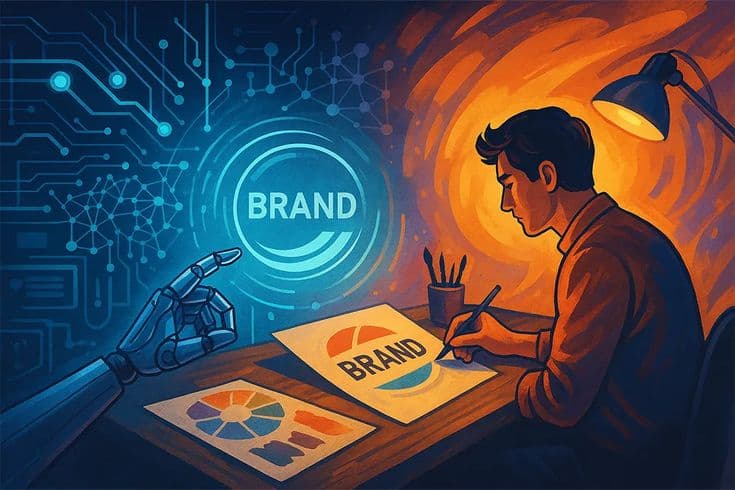
A creator posts the video. It looks effortless. The lighting feels natural. The language sounds conversational. The creator doesn't look like they're reading an advertisement. The product fits naturally into the scene. Exactly what you wanted. Except there's one problem. You could remove the brand name, replace the product with something from a competitor, and almost nothing else would change. The content feels native to the creator. But it doesn't feel particularly connected to the brand. Then the opposite happens. The brand gives the creator a detailed script, exact talking points, mandatory phrases, visual instructions, product claims, shot requirements and a carefully written CTA. Now the brand identity is obvious. But the creator sounds like a brand. And suddenly, the audience can tell they're watching sponsored content. This is the real UGC marketing challenge: How do you preserve the creator's natural voice without making the brand disappear? The answer isn't to make the creator sound more like the brand. It's to make the brand's strategic identity strong enough to survive the creator's natural expression.
UGC Shouldn't Sound Like Your Brand
This might sound counterintuitive. But if a creator suddenly starts speaking exactly like your website, something has probably gone wrong. Your audience already knows what advertising sounds like. They've heard the polished product description. They've heard: “Introducing our revolutionary...” “Designed to provide...” “Experience the power of...” “Say goodbye to...” “Perfect for everyone...” Now imagine a creator who normally talks casually to their audience suddenly using the same language. The content may be factually correct. It may even be beautifully written. But it no longer sounds like something that creator would naturally say. And that matters because the creator's voice is part of the reason the audience trusts the content in the first place. The goal of UGC isn't to erase that voice. It's to give that voice a genuine reason to talk about your product.
But Creator-Native Doesn't Mean Brand-Neutral
There is another extreme. Some brands hear “authenticity” and assume the creator should have complete control over everything. Whatever they say. Whatever they show. Whatever product benefit they mention. Whatever story they tell. Whatever CTA they use. That can create content that feels wonderfully natural. But natural isn't automatically strategic. The audience may remember the creator. They may enjoy the video. They may even engage with it. And then ask: “Wait, what was the product again?” That's not necessarily a creator problem. It's a strategy problem. The creator should own the expression. The brand still needs to own the truth, purpose and direction. That's the line.
Brand Identity Lives Deeper Than a Script
When brands think about maintaining identity, they often reach for visible things. Logo. Colours. Fonts. Taglines. Brand phrases. Visual style. These can matter. But they aren't the whole identity. A strong brand can survive a creator's different lighting, room, accent, editing style and vocabulary because its identity is communicated through deeper choices. What problem does the brand care about? What does the product genuinely help with? What does the brand believe? Who is it speaking to? What does it refuse to exaggerate? What makes the product different? What should the audience understand after watching? Those things can remain consistent even when the creator's expression changes completely. Brand consistency doesn't require identical content. It requires consistent meaning. That distinction becomes especially important when a brand works with multiple creators. You want different people to produce genuinely different content while still building toward the same perception.
Give the Creator the Message. Let Them Own the Sentence.
This is one of the most useful distinctions in UGC strategy. The brand can say: “We need the audience to understand that this product fits easily into a busy morning routine.” The creator can decide how to express that. Maybe they start with: “I used to skip this completely on mornings when I was running late.” Another creator might say: “This takes me literally two minutes, which is why I actually use it.” Another might show themselves rushing around the room while incorporating the product into their routine. Same strategic message. Different expression. That's exactly what you want. The brand controls the destination. The creator chooses the route. If you control both, the content becomes stiff. If you control neither, the content can lose direction.
What Should the Brand Actually Control?
Creator freedom works best when the brand is very clear about the things that cannot be compromised. That usually includes the objective. Why is this content being created? Awareness? Product education? Demonstration? Social proof? A specific use case? A new product launch? Then there is the product truth. What does the product actually do? Which claims are accurate? What should never be exaggerated? The audience also matters. Who is this content supposed to make sense to? Then comes the core message. What is the one thing the viewer should understand after watching? And finally, the brand and commercial boundaries. What language, claims or representations would be inconsistent with the brand? What disclosures, deliverables, timelines, usage rights or CTAs are required? These are strategic guardrails. They aren't instructions for how the creator has to speak. Everything outside those boundaries can often have considerably more flexibility. That's how you create space for a creator's personality without losing strategic control.
Let the Creator Bring the Context
One of the biggest strengths of UGC is that the creator can provide something the brand account often cannot: context. The brand can tell me why a product is useful. The creator can show me where it fits into a life. That distinction matters. Imagine a skincare brand selling a product designed for people with sensitive skin. The brand account might explain the formulation. A creator can show the reality of building a routine when their skin reacts badly to everything. A fashion brand can explain the design of a jacket. A creator can show how they actually style it across different situations. A wellness product can describe its benefits. A creator can show how it fits into a chaotic workday. The creator's life becomes the environment in which the product makes sense. That is what makes the content feel native. The product should enter the creator's world, not force the creator into the brand's world.
The Product Still Needs to Be Important
Natural integration doesn't mean hiding the product. This is another misunderstanding of authentic UGC. Some brands become so afraid of “selling” that the product appears for two seconds at the end of a lifestyle video. Now the content feels natural. But it also fails to communicate why anyone should care. The product doesn't need to be shoved into the first frame. It doesn't need to be mentioned every five seconds. But it needs to have a meaningful role in the story. If the video is about a problem, the product should help resolve it. If the video is about a routine, the product should belong in that routine. If the video is about a comparison, the product should have a reason for being compared. If the video is about an experience, the product should contribute to that experience. Authenticity should change how the product is communicated, not whether the product matters.
Don't Give Creators a Blank Brief
A common mistake is assuming that a creator will naturally know what the brand wants. They don't. They know their audience. They know their own communication style. They know what feels natural on their page. But they don't automatically know your business objective. A strong UGC brief therefore shouldn't be a script. It should be a strategic brief. Instead of: “Say this sentence, then show this shot, then say this benefit, then hold the product up and finish with this CTA.” Try: Objective: Show how the product fits into a rushed morning. Audience: Young professionals who struggle to maintain complicated routines. Core product truth: The product makes this specific part of the routine faster and simpler. Must communicate: One key benefit and one supporting proof point. Creator freedom: Hook, storytelling style, setting, delivery, personal experience and visual execution. Now the creator knows what the video needs to accomplish without being told exactly how to perform it. That's where natural expression becomes possible.
Your Brand Voice Doesn't Need to Sound Like Your Creator's Voice
This distinction becomes even more important when multiple creators are involved. Imagine five creators making content for the same brand. They will have different accents. Different vocabulary. Different humour. Different editing styles. Different energy. Different audiences. Trying to make all five sound identical would defeat the point. Instead, the audience should recognise the same brand truth underneath those different voices. One creator might be funny. One might be calm and educational. One might be highly expressive. One might be minimal. One might tell a detailed story. They don't need the same personality. They need the same strategic understanding of the product. The creator shouldn't sound like the brand. The content should still feel like it belongs to the brand. That is a much more useful definition of consistency.
Choose Creators Who Already Make Sense for the Brand
The brief can't solve everything. If the creator is fundamentally incompatible with the brand, no amount of scripting will make the collaboration feel natural. This is why creator selection happens before execution. You need to ask: Would this product genuinely make sense in this creator's life? Would their audience understand why they're talking about it? Does their communication style suit the message? Does their existing content show the kind of storytelling we need? Would their recommendation feel believable? Would the collaboration feel surprising in a bad way? The right creator reduces the amount of force required. The product already belongs somewhere in their world. The content simply makes that connection visible. At SocialUp Marketing, this is one reason creator selection is treated as a strategic decision rather than a database exercise. SocialUp's Socialites network includes 2,000+ creators across India, but the value isn't simply having access to a large list. It's identifying which creator can solve the communication problem. A creator may have the right audience but the wrong communication style. Another may have strong storytelling but no natural connection to the product. Another may fit the brand beautifully but lack the context needed for that particular campaign. The shortlist should therefore be built around the campaign, not the other way around. Because the more genuine the creator-product connection is, the less you have to manufacture authenticity.
Don't Make Every Creator Tell the Same Story
If five creators all receive the same script, the content will eventually feel like five versions of the same advertisement. Even if the creators themselves are different. Instead, give them the same strategic truth and different contexts. One creator can show the product during their morning routine. Another can show a specific problem it solves. Another can demonstrate how they use it. Another can explain why they switched. Another can compare it with their previous routine. Now the brand remains consistent. But the content feels alive. This doesn't mean every creator should invent a completely different product story. The campaign still needs coherence. It simply means consistency should come from the message, while variation comes from human context.
Protect the Brand From the “Authenticity” Excuse
Authenticity is not a permission slip for bad content. A creator saying: “I'm just being real” doesn't automatically make a poorly communicated product benefit useful. Shaky footage isn't automatically authentic. Weak lighting isn't automatically authentic. Rambling isn't automatically authentic. Forcing a personal story that has nothing to do with the product isn't authentic. And reading a brand script while pretending it is spontaneous definitely isn't. Real UGC can still be well planned. It can have excellent storytelling. It can have strong editing. It can have good lighting. It can have a clear hook. It can look polished. The important thing is that the performance and context feel believable. The audience shouldn't feel like the creator has temporarily become a salesperson.
Brand Identity Can Live in the Details
There are subtle ways to maintain identity without controlling the entire video. The choice of product benefit. The kind of problems you choose to highlight. The emotional territory. The visual world. The way the product is framed. The language around the problem. The proof you ask the creator to provide. The types of creators you repeatedly collaborate with. The values you refuse to compromise. Even the questions your content repeatedly asks. These choices create consistency. A creator might say: “I've been using this for two weeks and here's what I noticed.” Another might say: “Here's why I added this to my routine.” Another might simply demonstrate it. Different voices. Different execution. Same brand understanding. That is stronger than forcing everyone to use the same tagline.
Think About the Audience Before the Brand
There is an important paradox here. If you want UGC to feel like it belongs to the brand, you shouldn't make every decision from the brand's point of view. Think about the audience. What would they naturally want to hear? What question are they asking? What situation are they in? What would make them stop? What would make the product relevant? What would make the creator's recommendation believable? The brand identity should shape the answer. But the audience's reality should shape the context. This is where great UGC sits: Brand truth + creator voice + audience context. Remove any one of the three and something starts breaking. Brand truth without creator voice becomes an advertisement. Creator voice without brand truth becomes generic creator content. Brand truth and creator voice without audience context can still feel irrelevant. The strongest UGC connects all three.
Don't Hide the Sponsorship. Make the Recommendation Believable.
There is also no need to pretend sponsored content isn't sponsored. Trying too hard to disguise advertising can make content feel more suspicious, not less. The goal isn't to make the audience believe the creator randomly discovered the product. The goal is to make them believe: “I understand why this creator would genuinely talk about this product.” That's a much stronger form of authenticity. A creator who regularly discusses skincare recommending a relevant skincare product makes sense. A creator known for practical workwear showing how a clothing piece fits into their wardrobe makes sense. A creator who talks about productivity explaining how a tool changed their workflow makes sense. The commercial relationship can be transparent. The recommendation still needs to feel believable.
Measure Whether the Brand Survived the Creator
After publishing UGC, don't only ask: Did people watch? Did they like it? Did it get comments? Also ask: What did people remember? Did they remember the product? Did they understand the key benefit? Did they associate the product with the intended problem? Did the creator's audience understand why the collaboration made sense? Did the content strengthen the brand's positioning? Did the product become more believable? These questions are especially important because UGC can be highly engaging while contributing very little to brand memory. A creator can be entertaining. The audience can love them. The comments can be full of compliments. And the product can still disappear. That's why performance should be evaluated against the job the content was designed to do.
The Best UGC Doesn't Look Like a Brand Wearing a Creator Costume
This is one of the easiest ways to recognise the difference. Weak branded UGC often feels like: Brand message → creator reads it → product appears → CTA. Strong UGC feels more like: Audience problem → creator's context → product enters naturally → brand truth becomes believable. The second version doesn't mean the brand has surrendered control. It means the control exists at the strategic level rather than at the sentence level. The brand knows what needs to be communicated. The creator knows how to communicate it in a way their audience will actually listen to. That division of responsibility is what makes UGC content work.
Build the Brief Around What Must Stay and What Can Move
A practical way to structure UGC is to divide the brief into two sides. What stays fixed: The product truth. The campaign objective. The audience. The key benefit. Mandatory claims or information. Brand boundaries. Required disclosures. Deliverables. Usage requirements. What can move: The hook. The setting. The storytelling structure. The creator's vocabulary. The performance style. The visual execution. The personal context. The examples. The editing rhythm. The CTA wording, where appropriate. This creates something much more useful than either extreme. Not a rigid script. Not complete creative chaos. A strategic framework with room for human expression.
Your Brand Should Be Recognisable Without Being Repeated
This is ultimately what good UGC achieves. You shouldn't need to make the creator repeat your brand language for the audience to understand what the brand stands for. The product should fit the brand's world. The message should reflect the brand's priorities. The problem should be relevant to the brand's audience. The creator should communicate naturally. And the overall content should reinforce the perception you're trying to build. That's brand consistency without creative uniformity. It becomes even more valuable when a brand works with multiple creators. The audience starts seeing different people, different stories and different situations while still encountering the same underlying brand. The creator changes. The context changes. The expression changes. The brand meaning stays.
Let the Creator Be Human. Keep the Brand Strategic.
The biggest mistake brands make with UGC isn't simply giving creators too much freedom. It's misunderstanding where control actually matters. You don't need to control every sentence to protect your brand. You need to know what the content is supposed to accomplish. You need to know what your product truth is. You need to know who you're talking to. You need to choose creators who can make the recommendation believable. And you need to give them enough strategic clarity to create within the right world. That's where SocialUp Marketing's role becomes more than coordinating creators. The strategy happens before the camera turns on. Who should speak? What should they communicate? Why will their audience care? What should the product mean in that context? What can the creator own? What must the brand protect? Those decisions determine whether the final video feels like a real piece of creator content or simply an advertisement wearing casual clothes.
Don't Make the Creator Sound Like Your Brand. Make Your Brand Belong in Their World.
Great UGC doesn't force a choice between authenticity and brand consistency. It changes the level at which each one is controlled. The creator owns the personality. The brand owns the truth. The audience provides the context. The strategy connects all three. That's why the goal isn't to make every creator sound like your brand. It is to make your brand feel like something that naturally belongs in the creator's world. Because when UGC is done well, the audience shouldn't think: “This creator is trying to sound like a brand.” They should think: “Of course this product makes sense for them.” And that's the sweet spot. The creator should feel unmistakably like themselves. The product should feel unmistakably like your brand.